

Solar Aviation Light
Solar Aviation Light
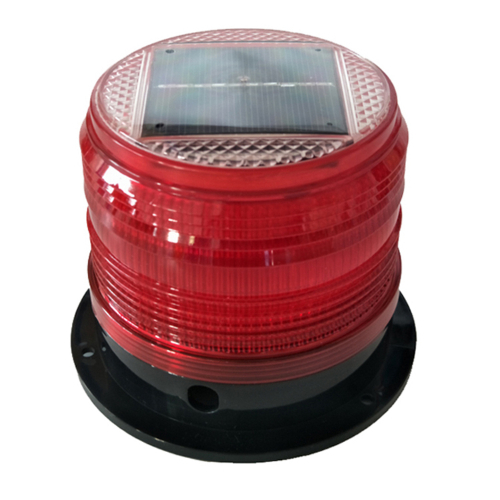
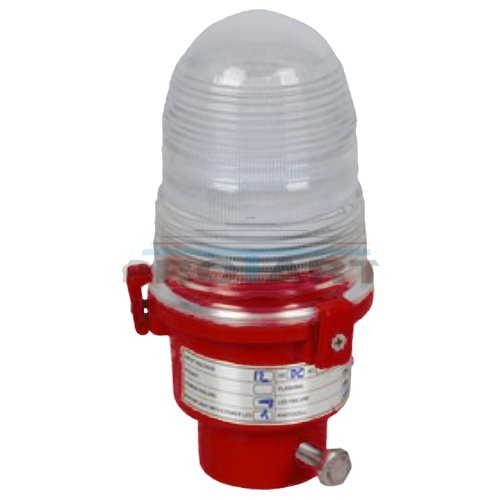
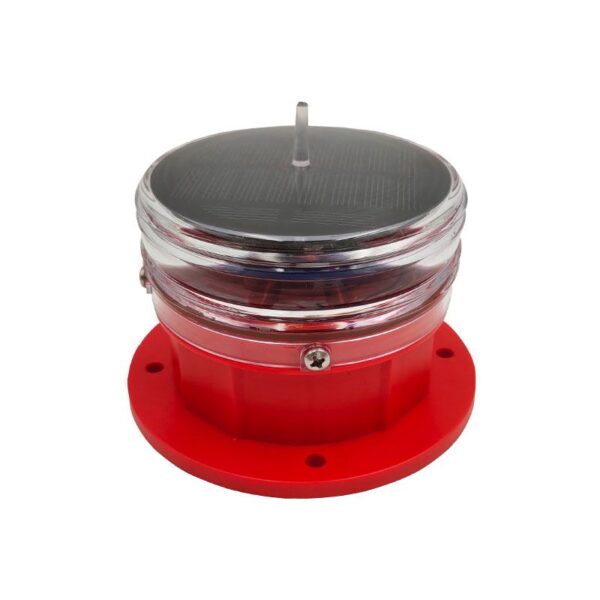
A Solar Aviation Light is a self-powered warning light designed to mark tall structures and potential obstacles to aircraft navigation. These lights are widely used on communication towers, high-rise buildings, chimneys, wind turbines, cranes, bridges, and other elevated installations to ensure aviation safety, especially during night-time and low-visibility conditions.
Key Features of Solar Aviation Light
-
Solar Powered Operation
Equipped with a high-efficiency solar panel, the light charges during daylight and operates automatically at night, eliminating the need for external power supply or complex wiring. -
High-Intensity LED Light Source
Uses long-life, high-brightness LEDs that provide strong visibility from long distances while consuming very low power. LEDs ensure consistent performance and reduced maintenance costs. -
Automatic Dusk-to-Dawn Function
Built-in light sensor enables automatic switching ON at dusk and OFF at dawn, ensuring reliable operation without manual intervention. -
Durable & Weather-Resistant Design
Manufactured with UV-resistant polycarbonate or aluminum housing, solar aviation lights are designed to withstand harsh weather conditions such as rain, dust, heat, and strong winds. -
Long Battery Backup
Fitted with high-capacity rechargeable batteries (Lithium or Ni-MH), providing multiple nights of backup even during cloudy or rainy days. -
ICAO Compliance
Available in different types (Low, Medium, or High Intensity) and colors (Red or White) to meet international aviation safety standards and regulations.
Common Applications
-
Telecommunication towers & BTS sites
-
High-rise buildings & rooftop installations
-
Wind turbines & solar farms
-
Construction cranes & industrial chimneys
-
Bridges, masts, and airport vicinity structures
Advantages of Solar Aviation Lights
-
No electricity cost
-
Easy installation
-
Environment-friendly solution
-
Low maintenance
-
Reliable performance in remote areas
Conclusion
Solar aviation lights are an essential safety solution for modern infrastructure, combining energy efficiency, durability, and high visibility. Their solar-powered design makes them ideal for both urban and remote locations, ensuring continuous aviation safety with minimal operational cost.